
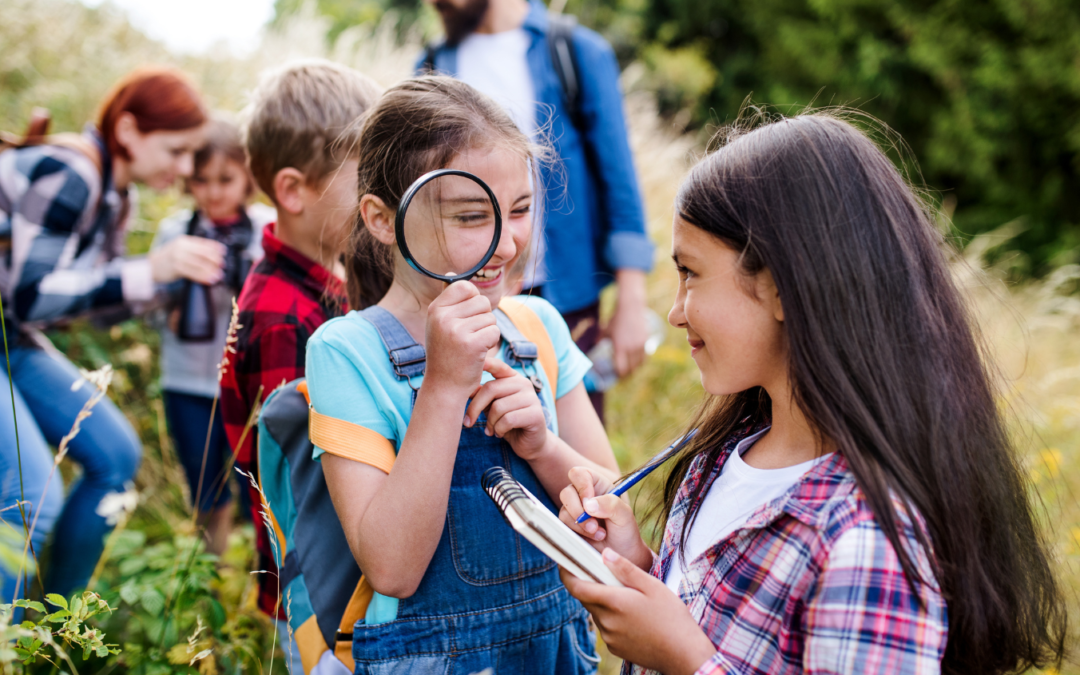
Homeschooling can be a very independent way of educating your children, but that does not mean you have to do it alone. Connecting with other homeschoolers can provide information, friendship, activities, encouragement, and a sense of community.
Homeschool communities can take many forms. Some meet regularly in person for activities, field trips, or simply to spend time together. Others connect primarily online through discussion groups and social media. Many families find that a combination of the two works well.
Homeschooling doesn’t mean stepping away from your wider community. Your children can still take part in local swimming lessons, sports, music classes, camps, and other activities alongside children who attend school. You can meet up with neighbourhood friends, visit the library, attend community events, or enjoy a movie night in the park. Homeschooling can be part of your family’s life without becoming your family’s entire social world.
With so many ways to build community, it can be helpful to think about what you and your children would most like from the people and groups around you.
What are you Looking for?
Homeschooling families are not all looking for the same things. One family may want regular social activities for their children, and another may be looking for curriculum ideas or someone to talk to about the challenges of homeschooling. Some families may want to connect with people who share their religious or philosophical outlook. Others may value having opportunities to meet people with very different perspectives.
Before joining a group, think about what you hope to find.
You might be looking for:
- information about homeschooling
- ideas about teaching approaches or curriculum
- social opportunities for your children
- friendship and conversation with other parents
- field trips, activities, or shared projects
- people with similar religious, philosophical, or lifestyle perspectives
- opportunities to advocate for homeschooling
- practical help and encouragement
A single group may not provide all of these things, and that is okay. You may find that different groups or individuals meet different needs at different times.
It is also worth considering what you can offer. Homeschool communities thrive when people are willing to share their knowledge, experience, time, and encouragement with others.
Finding Your Place in a Group
Once you find a group, spend more than one or two outings together to get the vibe of the group and understand how your family fits in.
Homeschoolers can have very different ideas about education, parenting, religion, politics, lifestyle, and many other subjects. Being part of a community doesn’t require everyone to agree.
You may find yourself learning from someone whose approach is quite different from your own. You may also encounter ideas or choices that you would not make for your own family. It is possible to respect the person while disagreeing with a particular choice or approach.
At the same time, your own boundaries matter. A healthy support network should leave room for people to have different perspectives while treating one another with respect.
Don’t Forget the Parents

Homeschooling can involve a great deal of time and energy focused on children. Having people who understand the experience can make a significant difference. But every conversation doesn’t have to be homeschooling centred. Sometimes what a parent needs is not another curriculum recommendation or an answer to a homeschooling question, but an adult conversation with someone who understands.
Setting up hangouts for parents – games night, for instance – can be a fun way to relax while building connections.
Creating Your Own Homeschool Community
If you can’t find a group that meets your needs, consider creating one.
A homeschool group doesn’t have to be large or formally organized. It might be a few families who meet regularly at a park, a group that organizes monthly field trips, or a collection of families who share particular interests.
Homeschool groups might:
- organize field trips, craft projects, science or history activities, sports, or playgroups
- arrange group rates for performances, events, or educational activities
- share curriculum ideas and resources
- organize interest-based activities for different ages
- provide information and encouragement to new homeschoolers
- advocate for homeschooling in their community
- create opportunities for parents to meet and talk
The shape of a group can change as the families involved change. Children grow, interests shift, families move, and new people join. Groups will change direction or sometimes even divide into smaller groups because people need different things at different times. Something that worked well one year may no longer work the next and as the years go on, you may be in and out of each other’s circles.
This is the flow of life.
Homeschooling Doesn’t Have to Be a Solitary Journey
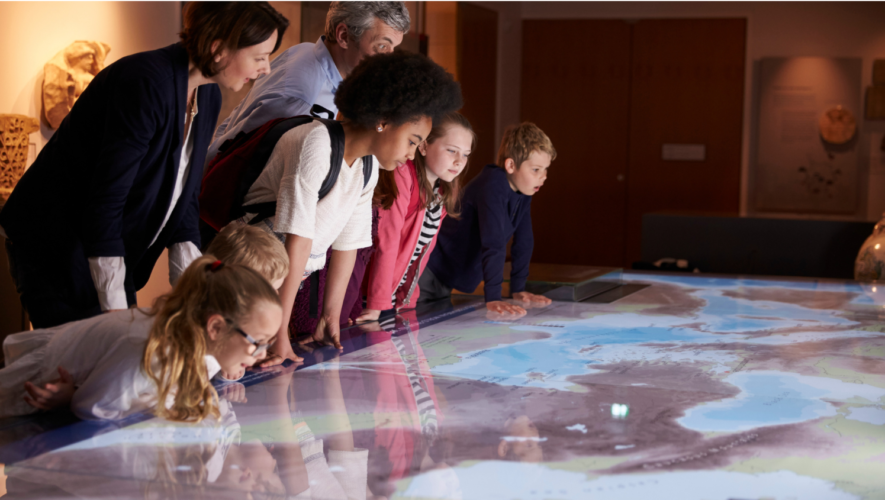
There is no single model for a homeschool community. You may find your people through a large organized group, a small group of friends, an online community, a shared activity, or a few other families you enjoy spending time with. You don’t have to find one group that meets every need. Look for people and communities that add something positive to your parenting experience, and be willing to contribute what you can in return.
Building a community takes some effort, but it can be well worth it. Don’t limit yourself to the homeschooling community. Your wider community has plenty to offer too. Take part in local activities, get to know your neighbours, join community events, and look for opportunities for your children to spend time with all kinds of people.
BHCEA keeps a directory of local home learning groups on the website. Let us know if you would like yours listed.