
A homeschool portfolio can help a post-secondary institution understand an applicant’s education, interests, skills, experiences, and accomplishments.
For a homeschooler who does not have a conventional high school transcript, a portfolio can provide useful information about what they’ve studied and what they can do. It can also show learning and experience that would not normally appear on a high school transcript.
A portfolio is not a substitute for an official transcript, graduation credential, prerequisite course, or other admission requirement when an institution requires one. Admission requirements vary by institution and program, so begin by finding out what the particular program requires and what documentation it will accept.
Find out the Requirements
Before putting a portfolio together, research the programs your teen is considering.
Look at the institution’s admission requirements and contact the program advisor if it is not clear how a homeschool education should be documented.
Find out:
- whether a graduation credential is required
- whether particular high school courses or BC credits are required
- whether the institution has an admission route for homeschoolers or others without a transcript
- whether a portfolio or other documentation of learning is accepted
- whether standardized tests, entrance examinations, auditions, interviews, or other requirements apply
- whether the program has requirements beyond general admission
Knowing what is required will help you decide what information to include in the portfolio.
Start With the Educational History
Begin with a clear overview of your child’s education.
Include information such as:
- subjects and areas of study
- accredited courses or structured programs completed
- BC Online Learning School or post-secondary courses
- significant independent studies
- outside courses, tutoring, or instruction
- books, curricula, and other resources used
- educational experiences outside the home
If the teen has completed formal courses or programs that provide an official transcript, certificate, or record of marks, include those documents.
The portfolio does not need to recreate a conventional high school transcript. Its purpose is to document the education that actually took place.
Document Learning, Not Just Subjects
A list of subjects does not tell an institution very much on its own. Include examples that demonstrate what your child has learned and what they were able to do with that knowledge.
Examples might include:
- essays and other writing
- research projects
- science or laboratory reports
- mathematics work
- art and design
- music and performance
- programming and technology projects
- presentations
- photographs of physical projects
- videos or other digital work
Choose representative examples rather than including everything.
For substantial areas of study, provide a brief description of what was covered, the resources used, and the level or depth of study. A detailed independent study might be described with a title such as Expository Writing, Canadian History, or Introduction to Atmospheric Science.
The goal is not to make homeschool learning look like a conventional school course. It is to make the learning clear to someone who was not there to see it.
Include Projects and Interests
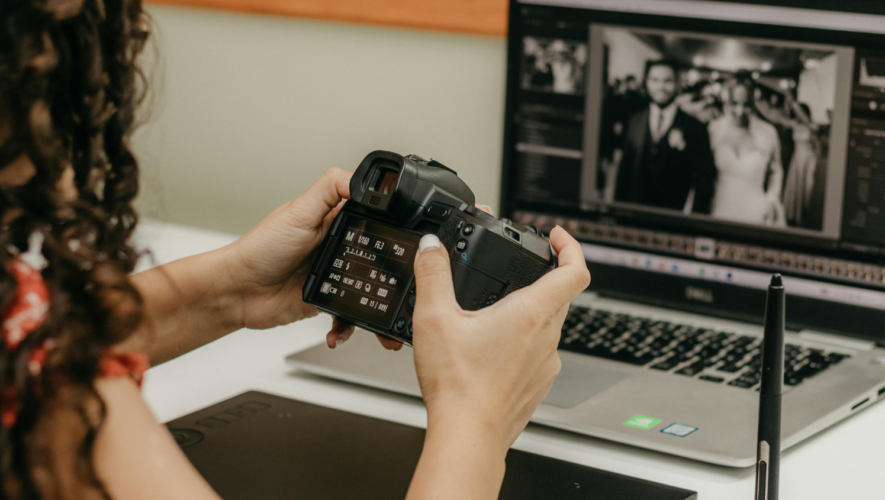
Homeschooling often gives kids the opportunity to follow an interest in considerable depth.
Document significant projects and explain what they did, what they learned, and what skills they developed.
For example, a young person interested in cooking might have learned about nutrition, food chemistry, measurement, budgeting, recipe writing, and cultural history while developing practical cooking skills.
A technology interest might involve programming, website development, graphic design, research, problem-solving, and project management.
Look beyond the name of the activity and consider the learning that took place through it.
Include Work and Employment
Employment can demonstrate skills and experience that are highly relevant to life after homeschooling.
Consider including:
- a résumé
- employment history
- descriptions of responsibilities
- employer references or recommendations
- samples of work where appropriate
- skills developed through employment
- leadership or supervisory responsibilities
- evidence of reliability, initiative, and work ethic
Paid employment is not the only experience that matters. Volunteer work, family businesses, entrepreneurship, and other responsibilities can also demonstrate useful skills.
Include Community Involvement and Service
Community involvement can demonstrate initiative, responsibility, leadership, and the ability to work with others.
This might include:
- volunteering
- community organizations
- service projects
- organizing events
- ongoing involvement with a community group
- starting or leading an organization or project
- helping others through a particular skill or interest
Rather than simply listing activities, describe the teen’s role and what they contributed.
Include Sports and Leadership
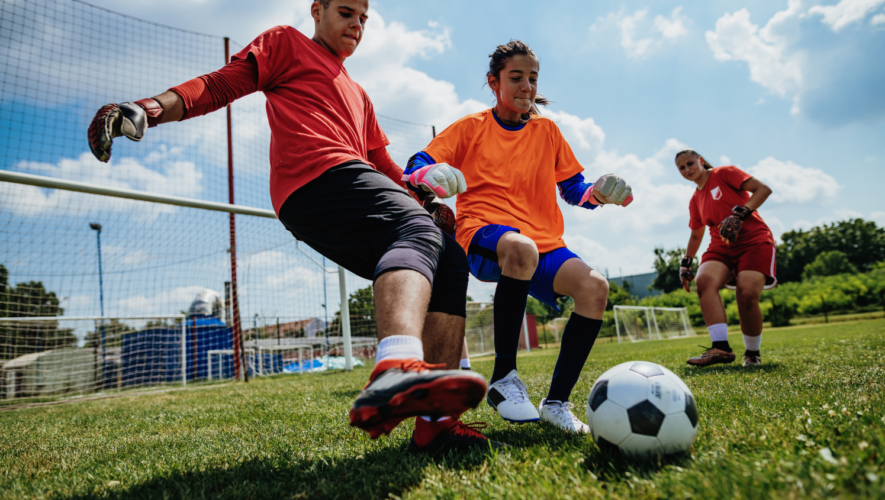
Sports and physical activities can demonstrate commitment, teamwork, discipline, leadership, and perseverance.
Include significant participation, particularly where your child has taken on responsibilities such as:
- coaching
- mentoring younger participants
- organizing activities
- team leadership
- volunteering
- competition or performance
A long list of activities is not necessary. Focus on experiences that demonstrate something meaningful about the young person.
Include Creative Work
Creative work can be an important part of a portfolio, particularly for programs in the arts, but it can also demonstrate skills and interests for other fields.
Depending on the young person’s interests, include:
- creative writing
- published writing
- photography
- artwork
- graphic design
- music
- compositions
- performances
- theatre
- videos
- other original work
For programs that specifically require a portfolio or audition, follow the institution’s instructions about what must be submitted.
Include Languages and Cultural Experiences
Document languages the young person has studied or uses, particularly languages other than English.
Travel and other cultural experiences can also be included when they contribute meaningfully to the young person’s education.
Rather than simply listing places visited, describe what was learned through the experience. This could include language development, history, geography, cultural studies, independence, or practical skills.
Include Reading and Self-Directed Learning
A reading list can provide useful evidence of independent learning, particularly when it relates to the young person’s intended field of study.
Consider keeping an annotated reading list that briefly explains why significant books or other resources were read and what the young person learned from them.
Self-directed learning might also include:
- online resources
- documentaries
- lectures
- conferences
- workshops
- educational websites
- software and technology
- field trips
- museums and cultural institutions
- independent research
Keep a record of resources as they are used rather than trying to reconstruct several years of learning later.
Keep Records as You Go
The easiest portfolio to create is one that has been built gradually.
Keep copies of significant work and make brief notes about important projects and experiences. Save photographs of physical projects and keep records of courses, certificates, employment, volunteering, performances, competitions, and outside instruction.
Some families find it useful to keep a yearly summary that records:
- areas of study
- significant books and resources
- major projects
- activities and experiences
- courses or outside instruction
- accomplishments
- skills developed
- areas of particular interest
Be honest about what was studied and what was not. A portfolio does not need to suggest that every subject was covered in equal depth and was learned to mastery.
Include Documentation From Other People

Learning does not always need to be documented by the parent.
Where appropriate, include letters or other documentation from people who have worked with your child. A music teacher, coach, tutor, employer, volunteer supervisor, instructor, or other knowledgeable person may be able to comment on skills, accomplishments, work habits, or readiness for further study.
Third-party evidence can be particularly useful because it provides an independent perspective on the young person’s abilities and experience.
Include the Young Person’s Own Voice
A portfolio should not be entirely written by the parent.
A personal essay or statement can help an institution understand the person behind the education record. Depending on the application, this might discuss interests, accomplishments, goals, challenges overcome, areas still being developed, and reasons for pursuing a particular field.
They could consider questions such as:
- What have I learned to do well?
- What did I have to learn or master to reach where I am now?
- What am I currently working to improve?
- What subjects or skills do I want to develop further?
- What do I hope to do after post-secondary education?
- Why am I interested in this particular field?
The answers do not need to present a perfect picture. A thoughtful and honest description of interests, strengths, goals, and areas for growth can provide useful context.
Explain Why This Program Is a Good Fit
If the portfolio is being prepared for a particular institution or program, include information that shows why the young person is interested in that specific path.
Research the program and consider:
- What interests the young person about the program?
- What have they already studied that relates to it?
- What skills or experience have they developed?
- What do they still want to learn?
- What does this particular institution offer that is relevant to their goals?
A general statement about wanting to attend university is much less informative than showing a genuine understanding of the program and how it fits into the young person’s plans.
Make the Portfolio Easy to Read
A portfolio does not need to be elaborate.
Use clear headings and organize the information so that someone unfamiliar with the young person’s education can understand it easily.
A portfolio might be organized like this:
- Educational history
- Courses and formal programs
- Areas of study and independent learning
- Selected academic work
- Projects
- Employment and work experience
- Community involvement
- Sports and activities
- Creative work
- Skills, certificates, and accomplishments
- References and recommendations
- Personal statement
Not every portfolio needs every section. Choose what is relevant to the young person and the program.
Keep the Portfolio Focused
More is not necessarily better.
An admissions reader does not need several hundred pages documenting every book, worksheet, activity, and field trip. Select material that demonstrates the young person’s preparation, abilities, interests, and accomplishments.
Think of the portfolio as a way of answering the question:
What would this institution need to know about this young person that would not be apparent from a conventional school record?
The strongest portfolios provide clear evidence rather than trying to impress through volume.
A Portfolio Tells the Story of the Education
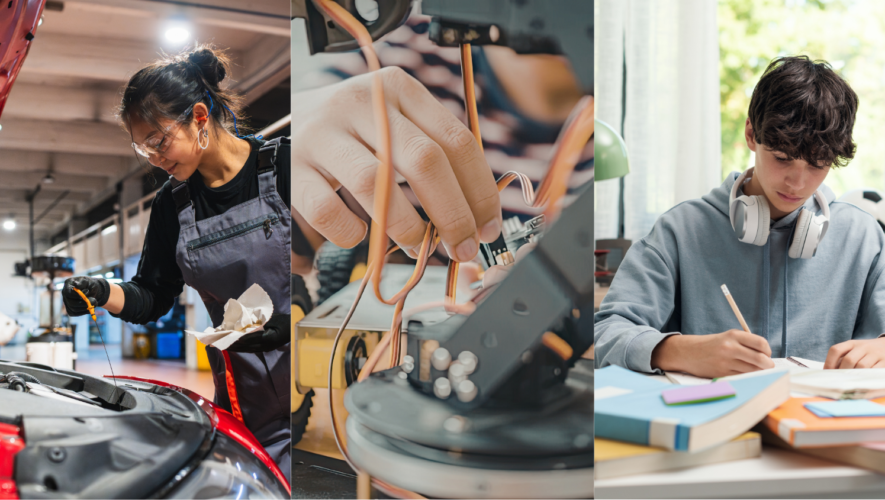
A homeschool portfolio does not have to turn homeschooling into something that looks like conventional school.
It can show the breadth and depth of the education that actually took place, including academic learning, independent study, practical skills, employment, community involvement, creative work, and personal interests.
Start keeping records early, find out what the institution requires, and build the portfolio around the young person’s actual experiences and goals.
The result should give an admissions reader a clear picture of what the young person has learned, what they can do, and where they hope to go next.